
The apparel and engineering sectors have already witnessed the trend in the past one week. If this continues, it can have an impact on the overall export demand in the coming months, considering that Europe is the largest national export market for India.

State governments have requested the Centre for export incentives, lifting of import duty in the case of cotton for the textile sector and GST exemptions.

Many economists say only a substantial rise from October would point to a real recovery.

As the liquidity crunch reaches crisis levels and getting tax refunds remain a big headache, exporters saw orders fall by 15 per cent till October.

Particularly hit has been the apparel sector, where the time taken by the industry to adjust to the Goods and Services Tax regime, downward revision of export incentives, and a credit squeeze faced by small and medium scale enterprises, has pushed production downwards.

The product was banned for export earlier, but has now been moved to the restricted category, under which an exporter would have to seek a licence from the government for shipments.

The Cabinet on Wednesday approved the production-linked incentive (PLI) scheme worth Rs 10,683 crore for textiles sector with an aim to boost domestic manufacturing and exports. The decision was taken in a meeting which was chaired by Prime Minister Narendra Modi. The Cabinet "has approved the PLI scheme for textiles for MMF (man-made fibre) apparel, MMF fabrics and ten segments/ products of technical textiles with a budgetary outlay of Rs 10,683 crore," Textiles Minister Piyush Goyal told reporters.
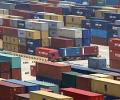
Global buyers are putting pressure on exporters to offer discounts between 10 per cent and 15 per cent.

Despite the onset of wedding season, the situation in apparel retail market remained unchanged and saw sharp decline in sales

A combination of externalities such as global trade wars and slowing growth, continuing glitches in accessing offsets under the GST regime, which has created a liquidity crunch for smaller exporters, and the growing competitiveness of smaller countries are causing the slowdown.
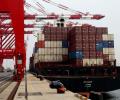
Demand will boom in the US and China, but exporters say it will be difficult for India to tap these markets.

Indian exporters on Monday said the fluctuating rupee will not only raise imports bill but would also lead to volatility affecting their businesses.
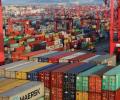
Economists polled in a recent survey by Ficci unanimously felt that the rupee will continue to be under pressure in 2018-19

Exports in May 2012 stood at $24.77 billion.
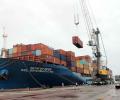
Industry associations and companies in the United States, including the US Chamber of Commerce, Coalition of Services Industries and the iconic bike company Harley Davidson have called on the Donald Trump dispensation to push India to reduce tariffs, non-tariffs, and regulatory barriers to boost American exports.

'The package will help in realising the true potential of employment generation in the textile and apparel sector.'

More than Indian exporters, it is Indian business families based in Sri Lanka and Hong Kong which have exploited the Bangladesh advantage

India is the second largest buyer of Iranian crude, after China.

The group has called for a retaliatory tariff action against India, if New Delhi does not roll back the 'unilateral and discriminatory' equalisation levy or Google Tax.

Here's the full text of President's Ram Nath Kovind's address to the joint sitting of both houses of Parliament on the first of Budget Session 2022.
